Your Wearables Are Drowning You in Data. AI Is the Lifeguard.
A wearable collects more about a body in a week than a chart held in a decade. The hard part was never collecting it. It is knowing what to ignore.

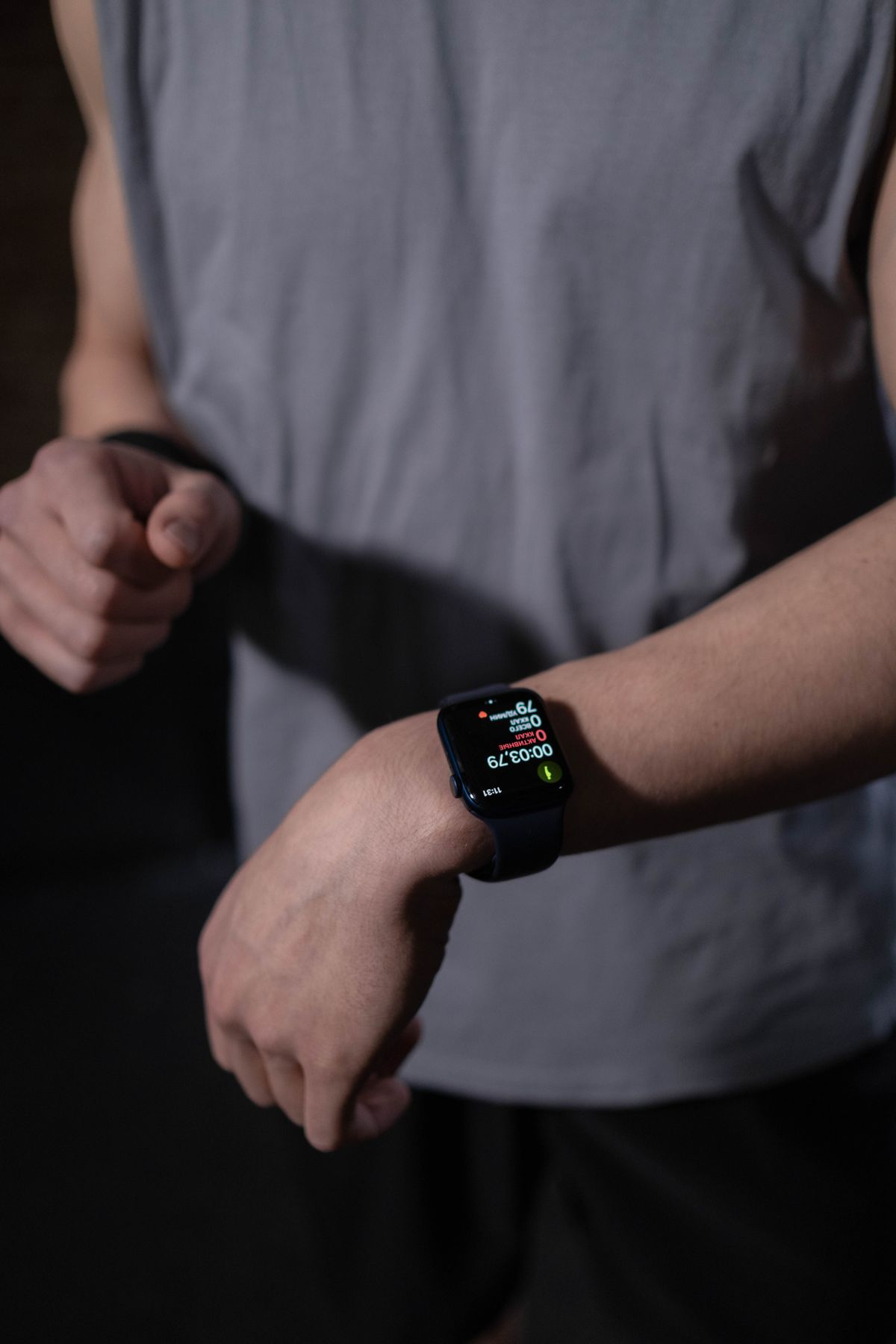
Photo by Cottonbro on Pexels
Wearables and remote patient monitoring generate enormous continuous data streams, most of which goes unused or reaches clinicians as noise that buries real signals. The value of AI in remote monitoring is not collecting more data, it is triage: filtering noise, surfacing the few clinically meaningful patterns, and alerting only when a human should act. Remote monitoring is a triage problem, not a collection problem, and the metric that matters is actions taken on true alerts, not data points captured.
Strap a modern wearable on a patient and it will generate more data about their body in a week than their doctor collected in the previous decade. Heart rate every second, sleep stages, oxygen, steps, the works. Sounds like a dream for medicine. Here is the dirty secret the wearable ads leave out: almost all of that data pours straight into a void, and the small slice that does reach a clinician often shows up as noise that buries the actual signal. As one industry read puts it, AI can filter the noise, identify clinically meaningful patterns, and turn a raw stream into something actionable. That one sentence is the entire ballgame, and most remote-monitoring programs are playing it backwards.
The dirty secret of remote monitoring
We spent a decade obsessed with capturing more. More sensors, higher sampling rates, more streams. And we mostly forgot to ask the only question that matters at the other end: of these millions of readings, which handful should actually change what a clinician does today? Picture the job as a funnel, because that is exactly what it is.
The width at the top is easy to build. Any device can spray data. The narrowing is the hard part and the whole value, and it is where AI actually earns its keep, ideally filtering right on the device so you are not shipping an ocean to a server to find three drops that matter.
Collect is the wrong mindset. Triage is the job.
I think the single most useful thing a remote-monitoring team can do is swap one word in how they describe their product. Not collect. Triage. Watch how much changes when you do.
The failure-mode row is the one that gets programs killed. Flood a clinician with low-value alerts and they will do the rational thing: start ignoring all of them, including the one that was real. Alert fatigue is not a minor UX annoyance, it is how a monitoring program quietly becomes decorative. The whole point of triage is to earn enough trust that when your system does raise its hand, a busy human actually looks.
How to build RPM that helps instead of harms
None of this is exotic. It is a handful of design principles that separate a monitoring program clinicians rely on from one they mute.
The promise of remote monitoring is real and genuinely exciting: catching the cardiac event, the neurological flare, the slow slide toward a crisis, days before anyone would have noticed in a clinic. But that promise lives entirely in the narrow bottom of the funnel, in the quality of the triage, not the size of the stream. So if you are building here, stop bragging about how much data you collect. Nobody is impressed, and your clinicians are already drowning. Brag about how little you make them look at, and how often the thing you surface turns out to matter. Be the lifeguard, not the flood.
- Wearables generate oceans of continuous data, most of which goes unused or buries clinicians in noise.
- The value of AI in remote monitoring is triage, not collection: filter noise, surface real patterns, alert only when a human should act.
- The collect mindset causes alert fatigue; the triage mindset gives clinicians a short, trustworthy list.
- Filter at the edge, route every alert to an owner, and tune hard against false alarms.
- The metric that matters is actions taken on true alerts, not data points captured.
Frequently asked
What is the problem with wearable data in healthcare?
Volume without triage. A wearable produces huge continuous streams, but most of it is not clinically meaningful. Without AI to filter it, the data either goes unused or reaches clinicians as noise that hides the few signals that matter.
What should AI actually do in remote monitoring?
Triage. Filter the noise, ideally on the device, identify clinically meaningful patterns, and raise an alert only when a human should act. The goal is fewer, better alerts, not more data.
What is alert fatigue and why does it matter?
It is what happens when clinicians get too many low-value alerts and start ignoring them. One cried-wolf alert too many and they tune out the system, including the alert that was real. Triage exists to prevent this.
How do you measure a good RPM program?
By actions taken on true alerts and outcomes changed, not by data points captured. Early detection only counts if a clinician acted on it in time. Collection metrics flatter the dashboard and help no one.
Is more data always better?
No. Beyond a point, more raw data makes triage harder and burdens clinicians. The win is better filtering and routing, not a bigger firehose.
Sources
Naveen Kumar
Healthcare engineering and product executive in Pittsburgh. 15+ years building AI-first patient access, a decade at Treatspace.