The First FDA-Cleared AI That Talks to Patients Never Decides the Dose
The FDA cleared UpDoc, the first patient-facing LLM medical device. The headline is the chatbot. The clearance is the boundary underneath it.

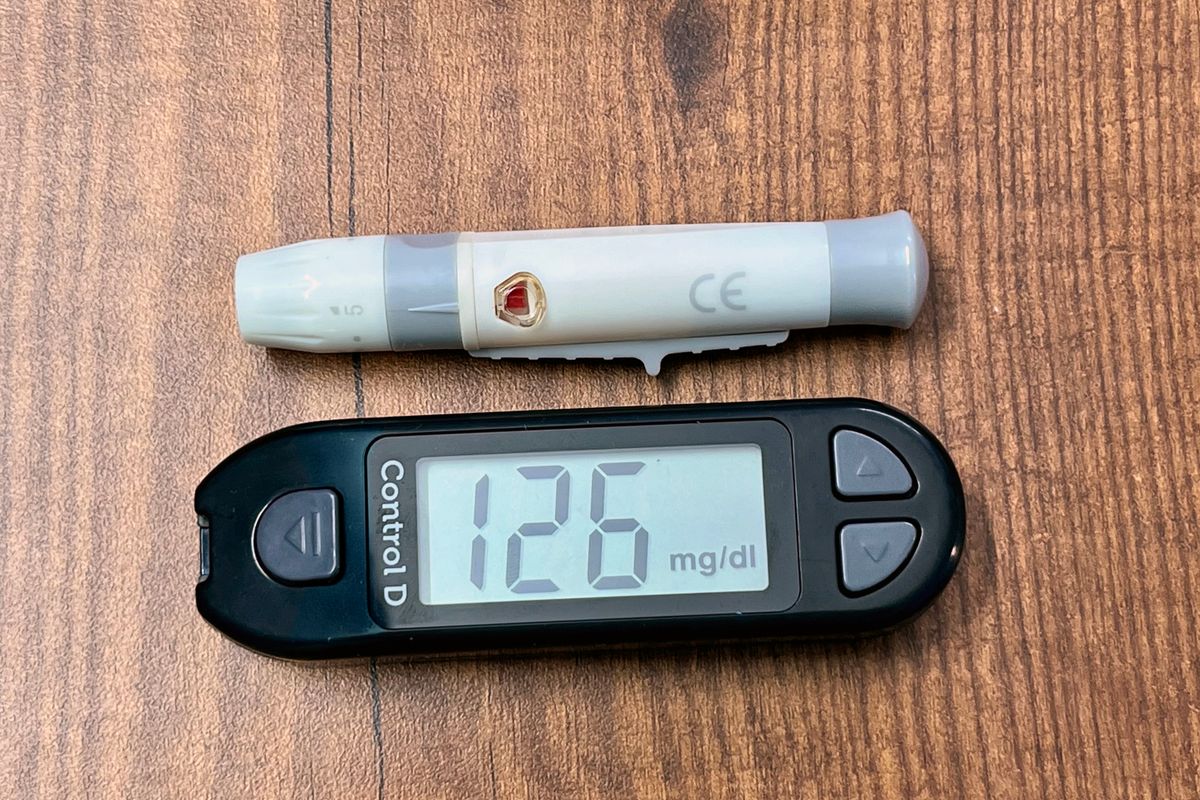
Photo by Arunangshu Banerjee on Pexels
On December 23, 2025, the FDA cleared UpDoc under 510(k) K253281, the first software as a medical device with a patient-facing large language model. It is not an AI doctor. It is a narrow tool that helps adults with type 2 diabetes manage insulin dosing, and the reason it cleared is architectural: the LLM runs the conversation, but a separate, deterministic, provider-configured clinical service makes the actual dosing decision. The pattern worth copying is that split, the language model handles the interface and a bounded, auditable engine handles the medicine.
When the headline said the FDA cleared the first patient-facing medical LLM, a lot of people pictured an AI doctor you can text at 2am. That is not what happened, and the gap between what people imagined and what actually cleared is the most useful thing about this whole story. UpDoc is narrow, careful, and honestly a little boring in the best way. Understanding why it cleared tells you exactly how to get a language model into a regulated product without setting yourself on fire.
What the FDA actually cleared
The cleared intended use is specific: helping adults with type 2 diabetes manage their insulin dosing. Not diagnosing. Not chatting about whatever ails you. One job, one population. As the detailed breakdown of the clearance lays out, the clearance came December 23, 2025 under 510(k) number K253281. The narrowness is not a limitation the company reluctantly accepted. It is the whole strategy. A tight intended use is what makes a language model reviewable at all.
The architecture is the whole story
Here is the design, and it is genuinely elegant. There are two pieces. The Conversation Service, the UpDoc Agent, is the language model. It talks to the patient, captures what they report, and turns messy human sentences into clean structured fields. Then a completely separate Clinical Service takes those fields and produces the dosing recommendation. The chatty part and the deciding part are walled off from each other on purpose. Tap through the pieces below to see who does what.
Why the deterministic boundary matters
Think about what the FDA has to reason about to clear a device. If a language model decides the dose, the reviewer has to somehow bless an output that is probabilistic and can vary run to run. That is a nightmare to validate. But if the model only translates a conversation into structured inputs, and a deterministic algorithm makes the call, then the medical decision behaves the same way every time. You can test it, trace it, and audit it. The boundary is not a technical nicety. It is the thing that turns an unpredictable model into a reviewable device.
The predicate move
The 510(k) pathway works by showing your device is substantially equivalent to something already cleared, called a predicate. UpDoc pointed to the d-Nav System, K181916 from Hygieia, an existing insulin-guidance device. Same job, so the comparison holds, even though the interface is brand new. Legal analysts have called this a pathway opening for clinical AI developers, and that is the right frame. UpDoc did not invent a new regulatory category. It found an old door and walked a language model through it.
What this means if you are building clinical LLMs
If you take one thing from UpDoc, take the split. Use the language model where it shines, understanding messy human input and speaking plainly, and keep the actual medical decision inside a bounded engine the provider configures. That is a pattern you can defend to a regulator and to yourself at 2am. I do want to be honest about the ceiling, though. This worked because insulin titration is well understood and had a predicate sitting right there. It is not a template for an open-ended diagnostic chatbot, and anyone who reads it that way is going to have a bad time with the FDA. The lesson is about the boundary, not about turning the model loose.
- On December 23, 2025 the FDA cleared UpDoc under 510(k) K253281, the first software as a medical device with a patient-facing large language model.
- It is narrow, not a general AI doctor: it helps adults with type 2 diabetes manage insulin dosing.
- The clearance hinges on architecture: an LLM Conversation Service captures what the patient says, and a separate deterministic Clinical Service makes the dosing decision.
- UpDoc cleared as a 510(k) by pointing to an existing predicate, the d-Nav System, K181916 from Hygieia.
- The pattern to copy is the split: LLM for the interface, a bounded auditable engine for the medical decision, with the provider setting the guardrails.
Frequently asked
What is UpDoc?
UpDoc is the first FDA-cleared software as a medical device with a patient-facing large language model, cleared December 23, 2025 under 510(k) K253281. It helps adults with type 2 diabetes manage insulin dosing.
Does the AI decide the insulin dose?
No. The large language model runs the conversation and turns what the patient reports into structured data. A separate deterministic clinical service, configured by the prescribing provider, makes the actual dosing decision.
What predicate device did it use?
It pointed to the d-Nav System, 510(k) K181916 from Hygieia, an existing cleared insulin-guidance device with a matching intended use, which is what let it clear through the 510(k) pathway.
Is there clinical evidence behind it?
The approach traces to the MIVA study, a voice-based conversational AI trial for insulin management registered as NCT05081011 and published in JAMA Network Open in December 2023.
What does this mean for other clinical AI builders?
It shows a workable pattern for getting an LLM into a regulated product: use the language model for the interface, keep the medical decision in a bounded deterministic engine, and let the provider set the rules. It is not a green light for open-ended diagnostic chatbots.
Sources
Naveen Kumar
Healthcare engineering and product executive in Pittsburgh. 15+ years building AI-first patient access, a decade at Treatspace.