The Shadow Medical System Is the New Front Door
Consumer AI, home labs, and telehealth scripts are assembling into a parallel medical system. It is winning on convenience. Here is what the incumbents still own.

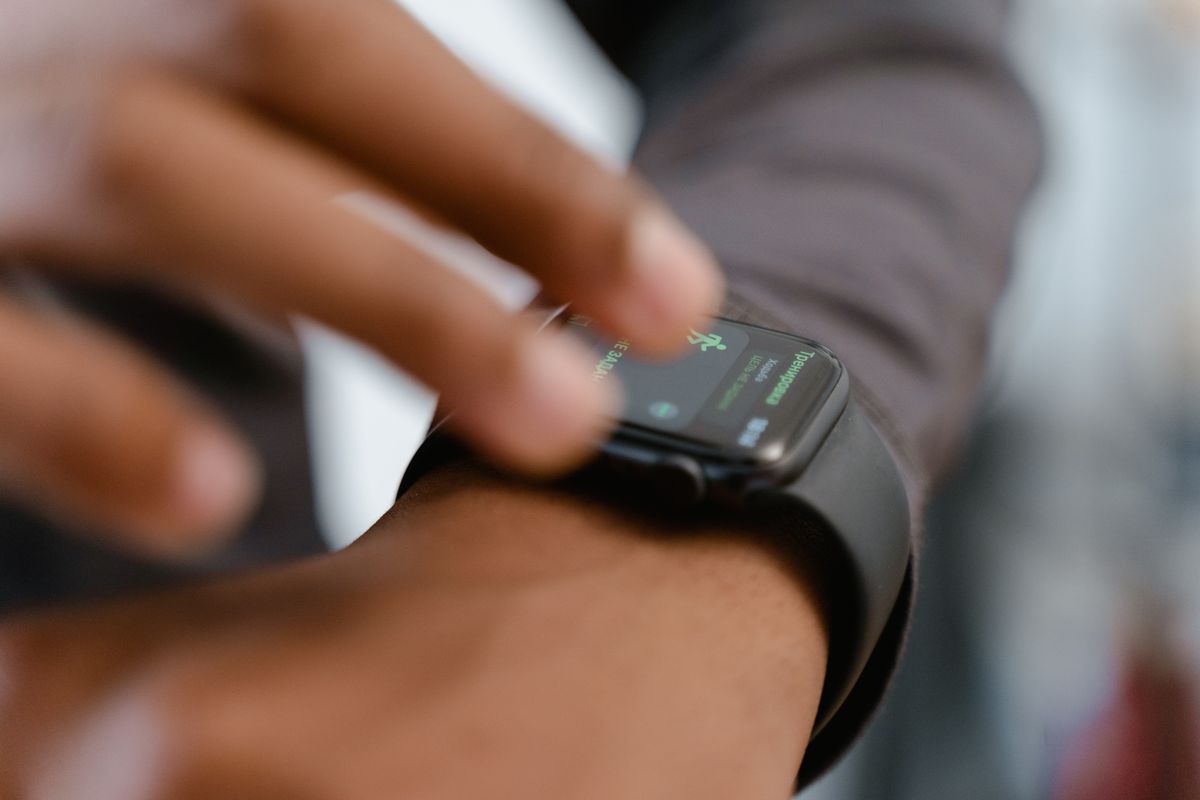
Photo by Mart Production on Pexels
A shadow medical system is forming from consumer tools: AI symptom checkers, wearables, direct-to-consumer lab tests, and telehealth prescriptions that diagnose and treat without a doctor in the loop. It wins on convenience, but it is weakest exactly where patients use it, with incomplete information. The incumbents' real advantage is not technology. It is accountability, full context, and a care team that closes the loop.
Here is a sentence that should worry every health-system executive and thrill every product person: your patients have already found a faster front door, and it is not yours. STAT argued this month that a stack of consumer tools, an AI symptom checker, an Oura ring, a Quest lab order, a Ro or Hims script, is quietly assembling into a parallel medical system that diagnoses, tests, and prescribes with no doctor in the loop. I have spent my career trying to make the official front door hurt less. The uncomfortable truth is that the shadow one is beating it on the single metric patients feel most: how long until something actually happens.
The front door moved, and nobody told the hospital
Trace the path a motivated patient takes at eleven at night, when the clinic is closed and the portal wants them to request an appointment for three weeks out. It does not look like your funnel. It looks like this.
Now, before we panic, here is the part that makes this a genuinely hard problem instead of a tidy villain story. The same authors ran their own research, and the numbers cut both ways.
Read those first two numbers together, because they are the whole story. Hand a frontier model a complete, tidy case and it is dazzling, above ninety percent. Hand it what a frightened person types into a box at midnight, a few symptoms and no history, and it fails to produce a solid differential most of the time. The shadow system is being built exactly where the technology is weakest. And the market does not care, because healthcare is a fifth of the economy and convenience sells. The money is following the convenience: digital-health funding rebounded to 7.4 billion dollars in the first half of 2026, with consumer names like Oura filing to go public after raising money at an eleven-billion-dollar valuation. This is not a fad you can wait out.
Why I read this as a product problem, not a doom story
So what do you actually do about it? Not build a worse chatbot to compete on the shadow system's turf. You compete on the things it structurally cannot offer. Here is where each side really wins, and it is not close on the dimensions that matter when someone is actually sick.
The pattern in that table is the strategy. The shadow system owns convenience and will keep it. You are not going to out-convenience a company whose entire product is skipping you. What you own is accountability, context, and the loop. A licensed clinician who can see the whole history, who is liable for the call, and whose team follows up is something a disclaimer-wrapped app cannot be. The move is to absorb the shadow system rather than fight it: let patients bring their wearable and lab data through your front door, then be the one accountable party that closes the loop around it.
I am not mourning the old front door. It was slow and it deserved the competition. But the health systems that win the next few years will be the ones that take the shadow system seriously enough to learn from it, and are confident enough to offer the one thing it never will: a person who is actually responsible for what happens next.
- Patients have found a faster front door: consumer AI, home labs, and telehealth scripts that skip the doctor. It wins on speed.
- The technology is weakest where patients use it. Models ace tidy cases but fail to produce a solid differential most of the time from triage-only input.
- This is a product problem, not a doom story. Convenience is the wedge; accountability and context are the incumbent's moat.
- Compete by closing the loop: pull the consumer data in, own the follow-up, and be the accountable party when it matters.
- If your official front door is slower than a midnight chatbot, patients will keep leaving. Fix the wait, not the messaging.
Frequently asked
What is the shadow medical system?
It is the parallel path patients now take through consumer tools: an AI symptom checker, a wearable, a direct-to-consumer lab test, and a telehealth prescription, with no physician coordinating and no shared record. It diagnoses and treats outside traditional oversight.
Is it actually safe?
Often not, and the irony is sharp. Frontier models score above 90% on complete cases but fail to produce a comprehensive differential more than 80% of the time when given only the sparse triage information a patient types at home. The tools are weakest exactly where they are being used.
Should health systems try to block it?
You cannot, and trying wastes energy. The better move is to absorb it: let patients bring their wearable and lab data in, and compete on the things the shadow system cannot offer, accountability and a closed loop.
What is the incumbent's real advantage?
Accountability and context. A licensed, liable clinician who can see your whole history and owns the follow-up is something a disclaimer-wrapped consumer app cannot match. That is the moat, if systems choose to defend it.
What should a product team do first?
Measure your true time-to-resolution against the shadow path. If a patient can get tested and treated by an app faster than they can reach you, that gap is your roadmap.
Sources
Naveen Kumar
Healthcare engineering and product executive in Pittsburgh. 15+ years building AI-first patient access, a decade at Treatspace.