What a Real Outcome Study of Clinical AI Looks Like
A model's accuracy is not an outcome. The study every clinical-AI buyer should read measured deaths, and found fewer of them.

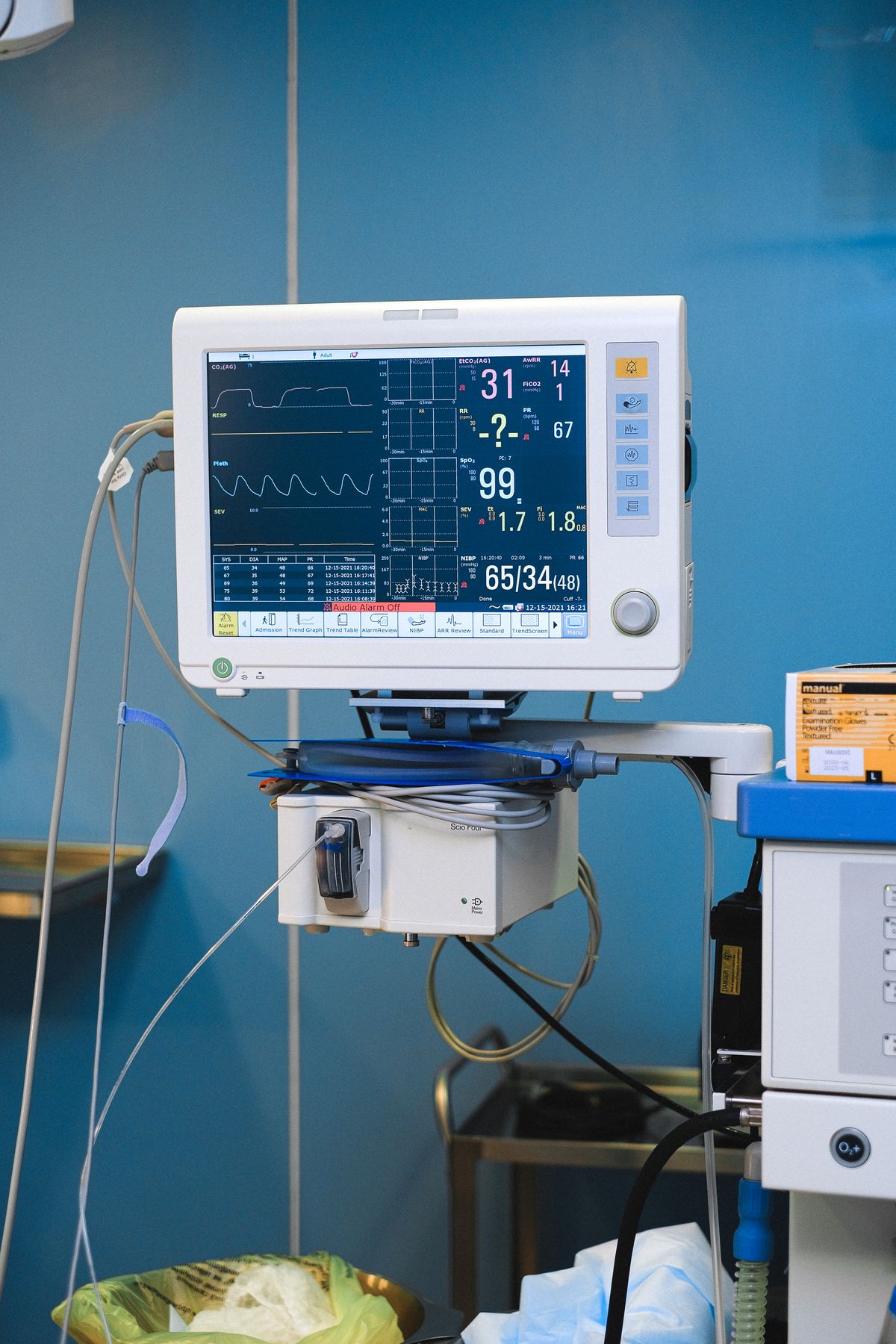
Photo by Shvetsa on Pexels
Most clinical AI is sold on accuracy, an AUC on a slide. The study I want every buyer to read instead measured something that matters: deaths. An AI early-warning system tied to a rapid-response team was associated with roughly 18 percent fewer deaths among high-risk hospital patients. That is the bar. Not how well the model scores, but whether patients did better.
Most clinical AI is sold to me on accuracy, an AUC on a slide. I have learned to be unmoved by it, because accuracy is not an outcome. So I want to point at a study that measured the thing that actually matters. Researchers at RWJBarnabas Health and Rutgers, writing in NEJM AI, reported that an AI early-warning system tied to a rapid-response team was associated with a meaningful drop in deaths among high-risk hospital patients. Becker's put the headline number plainly: about 18 percent fewer deaths. That is not a benchmark. That is people who went home.
Here is the point I want to make. When you evaluate clinical AI, the question is not how well the model scores. It is whether patients did better because of it. Those are different questions, and the gap between them is where most healthcare AI quietly lives. A model can be accurate and change nothing, because nobody acts on it, or acts too late. This study closed that gap, and that is exactly why it is worth studying.
Accuracy is the bottom of the ladder
A model score is the first rung of a long ladder, and every rung after it is where the value actually is. Think of clinical AI as a chain from prediction to outcome. The model produces a score. That score has to fire an alert that reaches the right person. That person has to act, in time. The action has to change the patient's trajectory. And only then does anything show up in an outcome like mortality. Accuracy only speaks to the first rung. Everything that determines whether the tool helps a patient happens on the rungs above it, and most evaluations never climb them.
Most evidence stops at the bottom
The evidence most vendors show proves the model is clever, not that the patient is better, and those are not the same claim. I sort clinical-AI evidence into levels, and I am blunt with vendors about which one they are actually offering. Accuracy on a held-out dataset is the weakest. Accuracy in your setting is better. Evidence that clinicians act on the output is better still. And evidence that patients did better, an outcome study like this one, is the top and the rarest. The mistake is treating a bottom-rung claim as if it were a top-rung one. A high AUC is a reason to keep looking, not a reason to deploy.
Why 18 percent is the bar
An eighteen percent reduction in deaths is the kind of claim I will change my behavior for, precisely because it is measured at the top of the ladder. What makes this result matter is not just the size, it is the endpoint. The researchers did not report that the model got better at predicting deterioration in the abstract. They reported that, with the alert wired to a rapid-response team that actually showed up, fewer patients died. That is the whole chain, end to end, measured on the outcome that counts. I hold clinical AI to this standard now. If a vendor cannot tell me how their tool moves an outcome I care about, and who acts on it to make that happen, then what they have is a benchmark, not a treatment.
I am glad this study exists, and a little sad that it stands out. It should be the normal way we evaluate clinical AI, not the exception. So when you look at a tool, climb the ladder with it. Ask not just how accurate it is, but who acts on it, how fast, and what happened to the patients. The best answer looks like eighteen percent fewer deaths. Accept nothing lower as proof that a tool works.
- Accuracy is the bottom rung; whether patients did better is the top, and the point.
- An AI early-warning system tied to a rapid-response team was associated with about 18 percent fewer deaths among high-risk hospital patients.
- A model can be accurate and change nothing if no one acts on it in time.
- Sort evidence by level: public-dataset accuracy, local accuracy, clinicians acting, patients improving.
- Treat a high AUC as a reason to keep looking, not a reason to deploy.
- Ask any vendor which outcome their tool moves and who acts to make that happen.
Frequently asked
What did the RWJBarnabas and Rutgers study find?
That an AI early-warning system triggering a rapid-response team was associated with roughly 18 percent fewer deaths among high-risk hospital patients, published in NEJM AI.
Why is accuracy not enough for clinical AI?
Because a model can be accurate and still change nothing if the alert does not reach the right person, or they cannot act in time. Accuracy is the first rung, not the outcome.
What is the strongest form of clinical AI evidence?
An outcome study showing patients did better, ideally on a hard endpoint like mortality, in a real setting.
What should I ask a clinical AI vendor?
Which outcome the tool moves, who acts on its output, how quickly, and whether there is evidence patients improved, not just that the model scored well.
Does a high AUC mean a tool works?
No. It means the model may be worth evaluating further. Working means patients did better, which is a separate, higher bar.
Sources
Naveen Kumar
Healthcare engineering and product executive in Pittsburgh. 15+ years building AI-first patient access, a decade at Treatspace.