The $16 Billion Ring and the Model Healthcare AI Keeps Ignoring
Oura filed for a 16 billion dollar IPO on 1.2 billion in revenue and 85 percent retention. The ring is not the lesson. The model underneath it is.

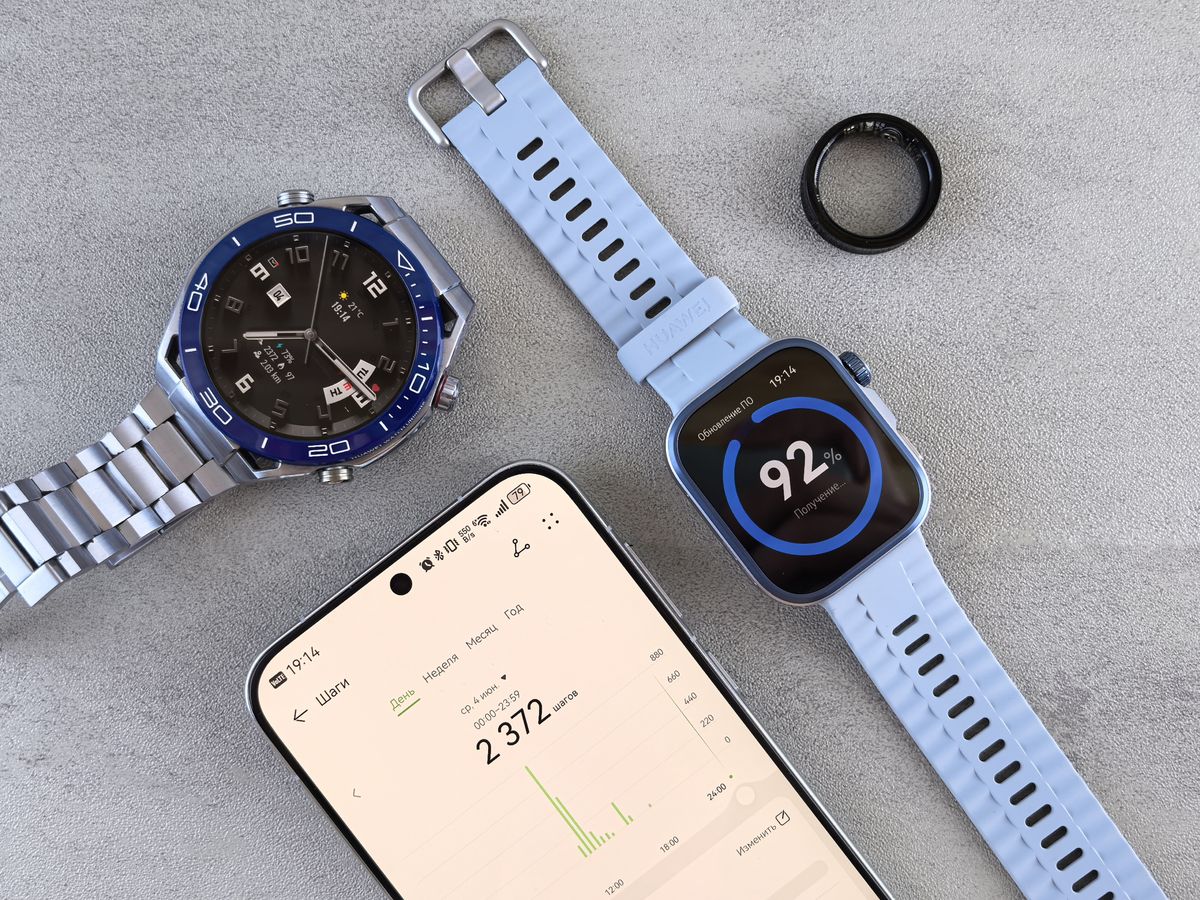
Photo by Andrey Matveev on Pexels
Oura filed for a Nasdaq IPO in September 2026 at a valuation above 16 billion dollars, on about 1.2 billion in revenue for the first nine months of its fiscal year and roughly 5 million paid subscribers. The lesson for healthcare product leaders is not the ring. It is the model underneath it: one narrow job people do every day, a subscription that does not wait on a hospital budget, and a weighted retention rate near 85 percent treated as the real moat. The filing does not disclose profit, so the honest read is a fast-growing revenue business, not a proven profitable one.
I have watched a lot of health wearables die. Not fail loudly, just quietly stop mattering, sliding into the same drawer as the old phone chargers. So when Oura filed to go public at a valuation north of 16 billion dollars, my first reaction was not about the ring on my finger. It was a simpler question: how did a sleep tracker from Finland build a business Wall Street actually wants a piece of, when so many flashier gadgets could not?
The wearable graveyard, and the one that walked out of it
Here is the pattern I keep seeing. A gadget launches, promises to track everything about your body, gets a great demo, and then people stop wearing it by March. Fitbit got absorbed into Google. Jawbone folded. Half the health features on a smartwatch go untouched after the first week. Oura did the opposite of everything at once. It picked one job, sleep and daily readiness, and got obsessive about doing that one job well. That focus is not a marketing choice. It is the reason the business exists.
Oura sells a subscription, not a ring
The ring is the front door. The membership is the house. You buy the hardware once, then you pay every month to keep your scores and insights, and that recurring line is what turns a gadget company into a real business. The numbers show it working: revenue of about 1.2 billion for the first nine months of fiscal 2026, up from 697 million in the same stretch a year earlier. That is not a bump, that is a near double. With the company reportedly aiming to raise around 3 billion dollars, the market is betting the subscription keeps compounding.
One job, done every single day
Every morning the readiness score is sitting there waiting for you. Did you sleep enough, should you push hard today or back off. It becomes a tiny ritual, and rituals are sticky in a way that features never are. This is the part most health products miss. They ask people to change behavior with no daily hook to hang the change on. Oura built the hook first and let the insight ride on top of it. The loop is boring and that is exactly why it works.
What clinical AI builders keep getting wrong
Most healthcare AI I see is built the opposite way. The job is fuzzy, it lives inside a workflow nobody wants to change, the money depends on a health system approving a budget line, and there is no reason for anyone to open it on a Tuesday. Oura flips all four. Now, I want to be fair here, because it is easy to over-learn this lesson. Consumer wellness is lightly regulated and Oura is not diagnosing anything. You cannot lift its playbook straight into a diagnostic tool and skip the evidence. But the underlying moves, a narrow job, a daily loop, revenue that does not wait on procurement, those travel just fine.
Retention is the whole game
Oura reports a weighted 12-month membership retention rate near 85 percent. Sit with that number. In a category where most apps lose the majority of their users inside a year, keeping 85 percent is the moat. Not the sensor, not the app design, the fact that people do not leave. If I were pitching this business I would lead with that one figure and let everything else follow. And to keep myself honest: the filing does not disclose profit. So the true story is a fast-growing, high-retention revenue business, not a proven profit machine. That distinction matters, and pretending otherwise is how people get burned on IPO week.
- Oura filed for a Nasdaq IPO above a 16 billion dollar valuation on about 1.2 billion in revenue for nine months and roughly 5 million paid subscribers.
- The product lesson is the model, not the ring: one narrow job, a direct-to-user subscription, and retention treated as the moat.
- Oura reports a weighted 12-month membership retention near 85 percent, the number that separates a health product that lives from one that dies.
- Most clinical AI copies the wrong part, chasing features and pilots instead of a daily habit and a business model that does not wait on a hospital budget.
- Be honest about the limits: the filing discloses no profit, and consumer wellness is not regulated clinical care.
Frequently asked
How big is Oura's IPO?
Oura filed for a Nasdaq listing at a target valuation above 16 billion dollars and is reportedly aiming to raise around 3 billion, up from about 11 billion at its last private round in October 2025.
Is Oura profitable?
The filing does not disclose profit. It shows revenue of about 1.2 billion for the first nine months of fiscal 2026, up from 697 million a year earlier, so the story is fast revenue growth and strong retention, not a proven profit margin.
What is the real product lesson for healthcare builders?
Pick one narrow job people do every day, sell it directly so you do not depend on a hospital budget, and treat retention as your north-star metric instead of launch-day signups.
Why do most health wearables fail?
They try to do everything, add no daily habit, and sell a one-time gadget. When the novelty fades there is no reason to keep using them, so they end up in a drawer.
Can clinical AI just copy the Oura model?
Not directly. Consumer wellness is lightly regulated and Oura is not making diagnoses. But the underlying principles, a narrow job, a daily loop, and retention as the goal, transfer cleanly to clinical products.
Sources
Naveen Kumar
Healthcare engineering and product executive in Pittsburgh. 15+ years building AI-first patient access, a decade at Treatspace.