Guardrails That Do Not Block the Doctor
Why over-refusal is a real failure in clinical AI, and the principles I use to tune guardrails that protect without blocking the doctor.

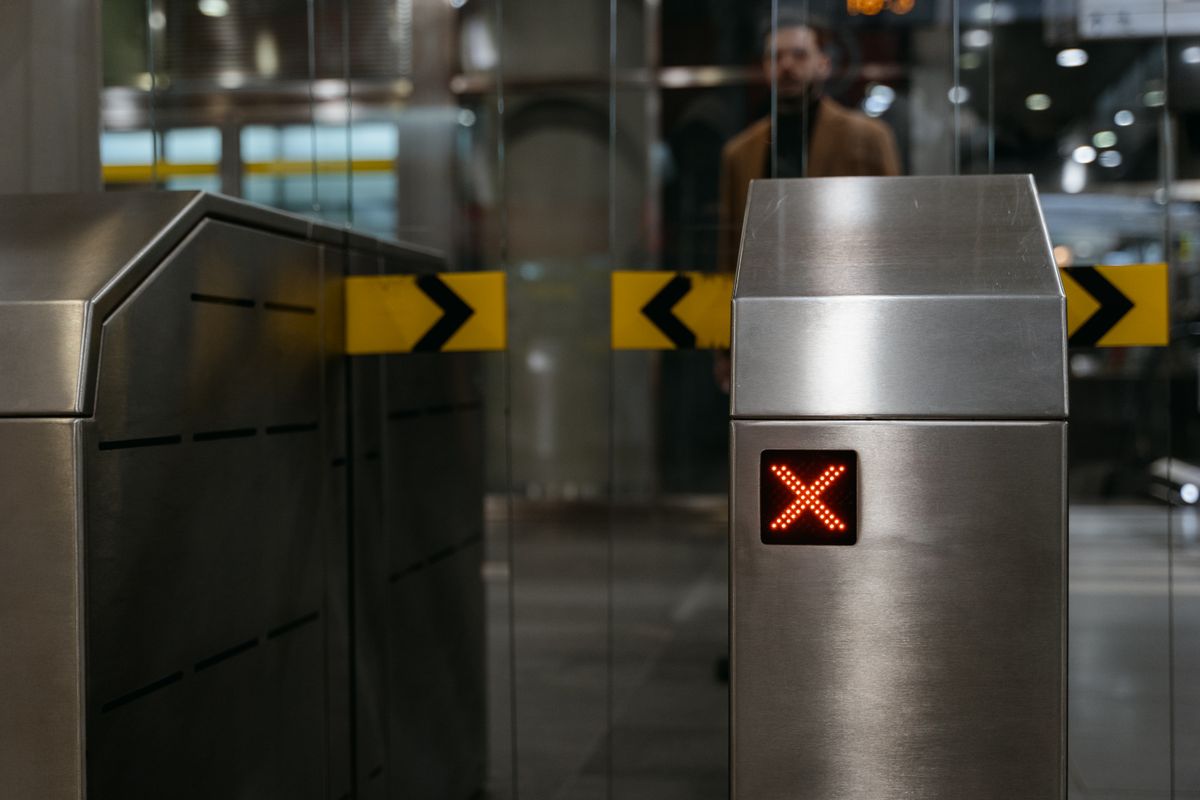
Photo by Mart Production on Pexels
A guardrail that blocks a legitimate clinical question is not being safe, it is failing quietly. In my experience over-refusal is a real harm in healthcare: a clinician who gets a canned refusal stops trusting the tool and routes around it. Good guardrails minimize two errors at once, letting harm through and blocking legitimate use, and you cannot tune one while ignoring the other.
There is a failure mode in clinical AI that almost nobody counts, and it is the guardrail that blocks a legitimate question. We spend enormous effort making sure a model will not help someone cause harm, which is right. We spend almost none making sure it will still answer a nurse asking about an overdose threshold, or a clinician asking about a pathogen they are treating. Both are safety problems. Only one gets measured.
My stance is simple. A guardrail that blocks the clinician is not being safe, it is failing quietly, and in medicine that failure has a cost: the clinician stops trusting the tool and routes around it, which is worse than never having deployed it. Good guardrails minimize two errors at once, letting harm through and blocking legitimate use. Here are the principles I hold to for tuning them.
The instinct is to treat every refusal as safety working. It is not. Researchers built XSTest precisely to measure exaggerated safety, the cases where clearly safe prompts get refused because they use similar language to unsafe ones or mention sensitive topics. In medicine that is constant: a question about a toxin, a pathogen, a drug dose, or self-harm risk can look adjacent to something dangerous while being exactly the clinician's job. If your guardrail cannot tell the difference, it is not safe, it is broken in a way that happens to look responsible.
Every guardrail makes two kinds of mistake: it lets something harmful through, or it blocks something legitimate. Teams obsess over the first and never instrument the second, so they tune toward more blocking and call it progress. Anthropic's work on tightening biology safeguards is a useful example: they reduced biology-related over-refusals by roughly 85 percent, with overall reductions ranging from about 7 to 67 percent across surfaces, while keeping protection against genuine misuse. That only happens when you measure both errors and treat a wrong refusal as a bug worth fixing.
You cannot calibrate a clinical guardrail from a generic safety desk. The line between a dual-use request and a routine clinical one is domain knowledge. Anthropic rewrote the classifier's constitution and pulled in a range of internal and external experts before shipping. In healthcare I would do the same: let clinicians and biomedical experts label what is normal, so the guardrail learns the difference between a research-grade synthesis request and a nurse asking about a dangerous dose.
Tuning against over-refusal is not an argument for weaker safety. The genuinely dangerous categories, the ones that materially help someone cause mass harm, stay blocked, hard. Anthropic kept restricting the real dual-use tasks even as it loosened the benign ones, routing the risky requests to a more constrained path. That is the whole art: tighten the net around actual harm while widening it around legitimate use. A guardrail that cannot do both is too blunt for medicine.
When a guardrail does fire, the worst outcome is a flat, contentless refusal, because that is what teaches clinicians the tool is useless under pressure. A good decline explains the boundary, offers the safe version of the answer, or routes to an appropriate resource. Routing certain requests to a more constrained path rather than simply refusing is the right instinct. The goal is never to leave a clinician with nothing at the moment they needed help.
Safety and usefulness are not opposites in clinical AI, they are two constraints you have to satisfy together. The teams doing this well, and Anthropic's biology work is one public example, treat a wrong refusal as seriously as a wrong allowance. That is the bar. A guardrail earns the word safe only when it protects against real harm and still shows up for the clinician who needs an answer.
- A guardrail that blocks a legitimate clinical question is a failure, not a safety win.
- Over-refusal is a real, measurable harm; benchmarks like XSTest exist to catch it.
- Instrument both errors: harm let through, and legitimate use blocked.
- One team reduced biology over-refusals by roughly 85 percent while keeping misuse protection.
- Tune the line with clinical and biomedical experts, not a generic safety desk.
- Keep hard blocks on genuine dual-use, and make any refusal still helpful.
Frequently asked
What is over-refusal in AI?
When a model declines a legitimate, safe request because it resembles an unsafe one or mentions a sensitive topic. Benchmarks like XSTest measure it.
Why is over-refusal a problem in healthcare?
Because clinical questions often sound sensitive. If the tool refuses them, clinicians lose trust and route around it, which removes any benefit and can be unsafe.
Can you reduce over-refusal without weakening safety?
Yes. Anthropic reduced biology over-refusals by about 85 percent while keeping protection against genuine misuse, by refining the classifier and validating with experts.
Who should tune clinical guardrails?
Domain experts, clinicians and biomedical specialists, who know which sensitive-sounding questions are routine, working alongside safety teams.
What should happen when a guardrail does refuse?
It should explain the boundary, offer a safe version of the answer, or route to a resource, rather than returning a flat, contentless refusal.
Sources
Naveen Kumar
Healthcare engineering and product executive in Pittsburgh. 15+ years building AI-first patient access, a decade at Treatspace.