Clinician Pushback on AI Is a Product Signal
When nurses fight your clinical AI, they are not the obstacle. They are the highest-fidelity user research you will get, and most teams throw it away.

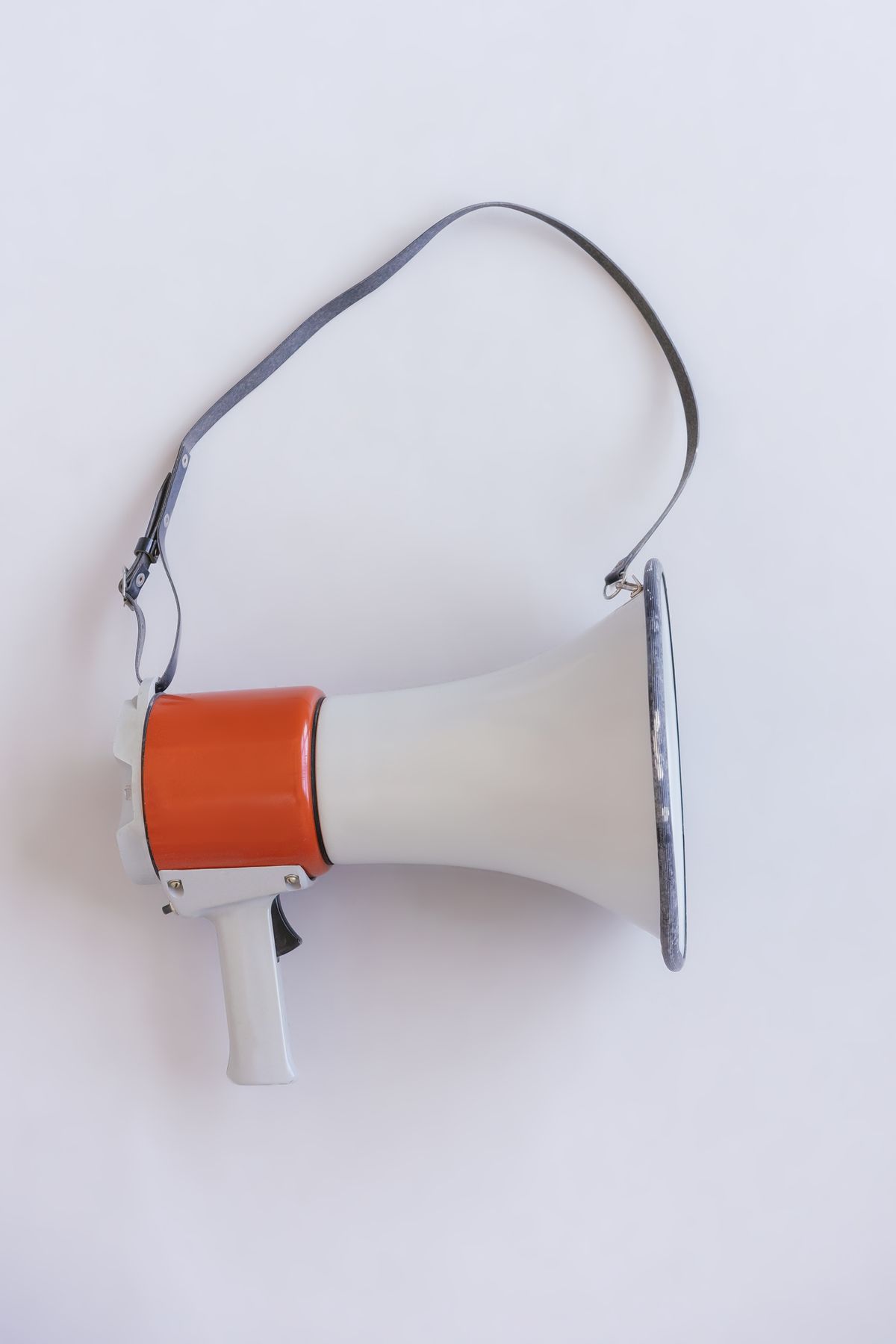
Photo by Mikhail Nilov on Pexels
Clinician pushback on AI is a high-fidelity product signal, not a change-management problem. Each objection usually encodes a specific, checkable failure: a false alert, a data-coverage gap, or a tool positioned to replace rather than augment. The teams that instrument and route that feedback ship safer tools, and the teams that suppress it get their roadmap rewritten by grievances and contract clauses.
In the first weeks of August 2026, nurses at Kaiser Permanente walked picket lines in California, laid-off nurses at Montefiore in the Bronx went public, and National Nurses United, a union of more than 200,000 members, put clinical AI at the center of its bargaining agenda. The reflex in most health-tech companies is to file this under change management: a communication problem, a training gap, a resistance curve to flatten. That reflex is expensive, and it is wrong. Clinician pushback is not friction in the rollout. It is the clearest product signal you will get about where your model meets the real world and fails it.
Pushback is not a morale problem, it is a mute button
Treat clinician resistance as sentiment and you will manage the sentiment: better messaging, a lunch-and-learn, a champions program. Sentiment is a lagging proxy, though. The frontline objection almost always encodes something specific and checkable underneath it. A false alert that fires forty times a shift. A recommendation built on a population that does not look like the ward. A workflow the model never modeled. When you optimize for an adoption dashboard, you are optimizing to make that signal quieter, not to make the product right.
Those figures come from a review of 26 hospital AI governance bodies, and they describe a structural mute button. The people with the most direct evidence of how the model behaves on real patients are the least represented where the model is governed. When the primary user is missing from the room, their feedback does not disappear. It reroutes through grievances, strikes, and contract language, which are the most expensive channels a product team could possibly choose.
The bedside catch is a data bug, not a personality
The most valuable thing a clinician can tell you is that the model is wrong, and how. A dialysis nurse recently caught an AI recommendation to fluid-load a patient for whom that was contraindicated. She had context the structured record did not hold: the affect, the trajectory, the things charted vitals do not show. The system was not malfunctioning. It was doing exactly what a model does when the deciding information was never in its inputs.
Read that catch correctly and it is not a complaint, it is a labeled failure case, handed to you by the person best positioned to produce it. Pushback is the check-engine light of a clinical product. You can put tape over the light, or you can read the code. The light is never the problem. It is the cheapest diagnostic you own, and a nurse overriding your tool is that light coming on with the fault already localized.
Read the objection, not the mood
Every recurring objection maps to a cause you can act on, and to two responses: the one that suppresses the signal and the one that reads it. The gap between those two columns is the difference between a tool that gets litigated and a tool that gets trusted.
Instrument pushback like telemetry
If pushback is your best signal, stop treating it as a hallway conversation and start treating it as a data stream with an owner. Four moves turn objections into product changes.
The last step is the one teams skip and the one that matters most. If a clinician reports a problem and hears nothing back, you have not just failed to fix a bug. You have taught your most valuable evaluator to stop evaluating.
Governance is the product surface where trust is won
This is why the room matters. New York nursing contracts signed in 2026 now specify that AI cannot be used to replace nurses, to discipline them, or to drive staffing. The American Nurses Association has named erosion of professional judgment through overreliance on AI outputs as a material risk. Read as change management, those are obstacles. Read correctly, they are your requirements document, written by your users, and enforceable. The teams that put frontline clinicians on the model-risk committee early ship tools that survive contact with the ward. The teams that treat governance as compliance theater get their roadmap rewritten by an arbitration clause.
The pushback you are getting right now is a ranked backlog of everything wrong with your product, compiled for free by the people who understand it best. You do not have to agree with every item. You do have to read the list.
- Clinician pushback is user research, not resistance. It marks exactly where the model fails in the real world.
- The bedside catch, like a nurse overriding a bad recommendation, is a labeled failure case and your best eval data.
- Read the objection, not the mood. Each complaint maps to a fixable cause: false positives, coverage gaps, workflow, or positioning.
- Instrument pushback like telemetry: capture, classify, route, and close the loop with the clinician.
- Put frontline clinicians in governance early, or an arbitration clause will rewrite your roadmap later.
Frequently asked
Is clinician pushback on AI just fear of being replaced?
Sometimes, but that itself is a product signal: it usually means the tool is positioned as automation rather than augmentation. The fix is to keep the clinician as the decision-maker of record and make that explicit in the product surface, not to send reassuring messaging over an unchanged tool.
How is a nurse overriding an alert useful to a product team?
An override is a labeled example of the model being wrong in context. A dialysis nurse who catches a contraindicated fluid-loading recommendation has identified a data-coverage gap the structured record never captured. Logged with a reason code, that override becomes eval data and a feature request in one.
What does it mean to instrument pushback?
Treat objections as a first-class data stream. Capture every override, dismissal, and escalation with a reason code at the point of care, classify each as a false positive, coverage gap, workflow mismatch, or trust problem, route it to the right team, and tell the clinician what changed so they keep reporting.
Why involve clinicians in AI governance instead of just compliance staff?
Because the primary user has evidence no one else has. Reviews of hospital AI governance found nurses named on a minority of oversight bodies, and the gap showed up later as strikes and contract language barring AI from replacing or disciplining staff. Early involvement is cheaper than arbitration.
Does reading pushback mean slowing down every rollout?
No. It means building a fast loop. The goal is to shorten the distance between a frontline objection and a product decision, so the tool improves in days rather than being litigated in months.
Sources
Naveen Kumar
Healthcare engineering and product executive in Pittsburgh. 15+ years building AI-first patient access, a decade at Treatspace.